What Are Genomic Language Models (and How Could They Help Us Understand Early Language Development)?

A genomic language model is a type of artificial intelligence trained to read DNA the way other AI systems read sentences.
A genomic language model is a type of artificial intelligence trained to read DNA the way other AI systems read sentences.
The Journal of Neurodevelopmental Disorders (J Neurodev Disord) is a peer-reviewed, open-access publication that translates cutting-edge research into practical understanding for families, clinicians, and educators working with children who have autism, intellectual disabilities, ADHD, and related conditions. This journal serves as a critical bridge between laboratory discoveries and the real-world support your child receives, publishing research that ranges from genetic studies to behavioral interventions, always with an eye toward improving diagnosis, treatment, and daily quality of life.
When researchers identify a new genetic …
Yes, neurodevelopmental disorders have genetic components. Research consistently shows that genes play a significant role in conditions like autism spectrum disorder, ADHD, and intellectual disabilities, though the influence varies by disorder and individual. If your child has recently received a diagnosis, understanding this genetic connection can feel overwhelming, but it’s only part of a much larger picture that includes environmental factors, prenatal influences, and developmental timing.
Knowing that genetics contribute to your child’s condition doesn’t mean the outcome is predetermined or unchangeable. The …
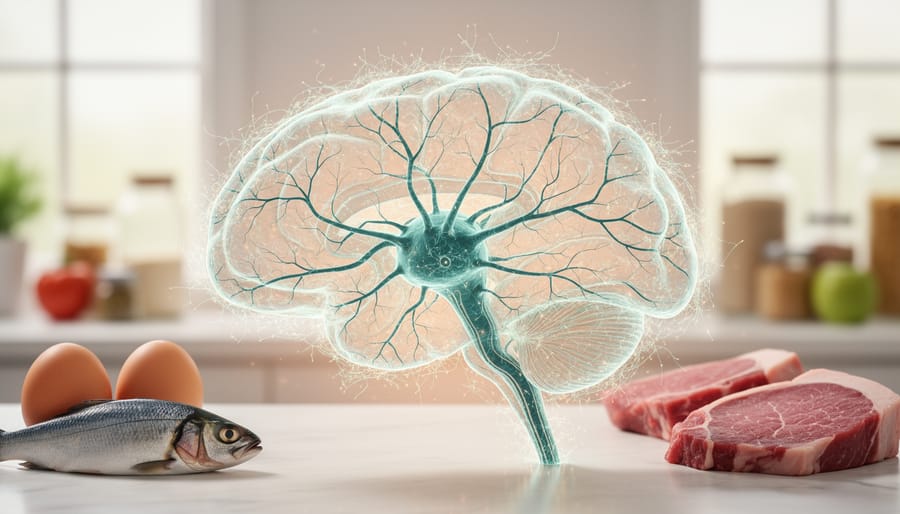
Choline early neurodevelopment research examines how this essential nutrient influences brain architecture, neural connectivity, and cognitive function during pregnancy and the first years of life. Choline is a vitamin-like compound found in foods like eggs, meat, and fish that serves as a building block for acetylcholine, a neurotransmitter critical for memory and learning, and phospholipids that form cell membranes throughout the developing brain.
The stakes of this research are substantial. The brain undergoes its most rapid growth between conception and age three, establishing neural circuits that shape lifelong cognitive …
Mindfulness during pregnancy refers to the intentional practice of paying attention to present-moment experiences, thoughts, emotions, and bodily sensations without judgment. For expectant mothers, this means cultivating awareness of the physical and emotional changes happening throughout pregnancy while developing skills to respond to stress, discomfort, and uncertainty with greater calm and flexibility.
The interest in mindfulness for pregnancy stems from a practical need: pregnancy brings significant physical discomfort, hormonal shifts, anxiety about birth and parenting, and often sleep disruption. Traditional coping strategies …
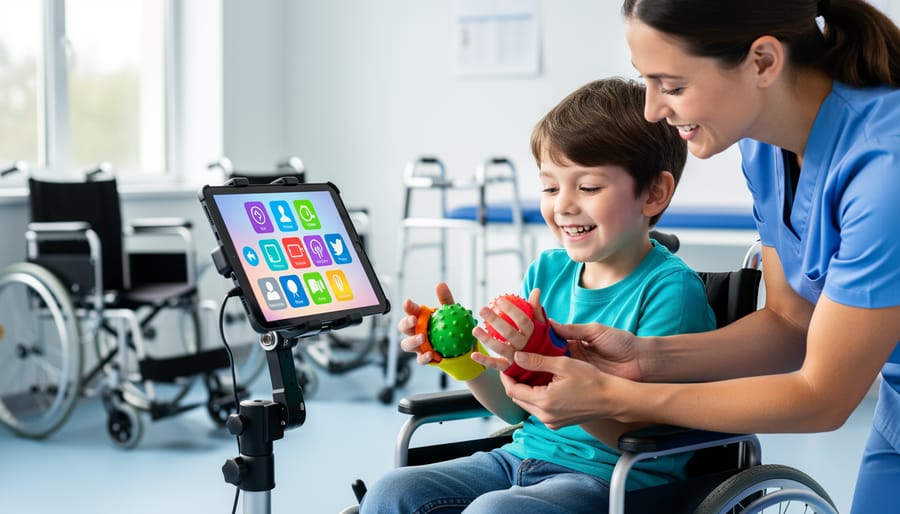
Assistive technology transforms rehabilitation outcomes by giving children and adults with disabilities the tools to communicate, learn, move, and participate more fully in daily life. From simple adapted utensils and communication boards to sophisticated speech-generating devices and mobility aids, these technologies bridge the gap between a person’s current abilities and the functional independence they’re working to achieve. The right assistive tool doesn’t just compensate for a challenge. It opens pathways for skill development, social connection, and meaningful progress during rehabilitation.
For parents …
When you encounter the term “7 traits genomics” in the context of neurodevelopmental disorders, you’re learning about an emerging research framework that examines seven key biological areas where genetic variations may influence how children develop. This approach looks at specific metabolic pathways, neurotransmitter systems, and cellular processes that researchers have identified as particularly relevant to conditions like autism, ADHD, and developmental delays.
The framework is not a clinical test you can order or a treatment …
The flashing lights of online casino advertisements appear everywhere children scroll today, and when a child has ADHD, these digital temptations pose a uniquely dangerous threat. Research shows that children with Attention-Deficit/Hyperactivity Disorder are significantly more vulnerable to developing problematic gambling behaviors, particularly through platforms offering roulette games with crypto with studies indicating they’re two to three times more likely to engage in risky betting activities compared to their neurotypical peers. This isn’t a matter of poor …
The adolescent brain remains under construction until the mid-twenties, making it uniquely vulnerable to substances that interfere with normal development. THCA vape pen for salehas become increasingly accessible to teenagers, coinciding with alarming trends in vaping behaviors. Recent neuroscience research reveals that regular Delta-9 THC exposure during these critical years can disrupt the endocannabinoid system—the brain’s natural regulatory network responsible for memory formation, emotional regulation, and executive function.
If…
I am a Clinician researcher and a director at the Children Neurodevelopmental Disorders Network, and I will address red wine and Friedreich ataxia.
Friedreich ataxia is a genetic disorder that one inherits from both parents through the “Autosomal recessive transmission.” The disease occurs when a faulty gene lowers the amount of frataxin, an important protein that promotes the health of key cells in the heart and the nervous system.
Friedreich ataxia occurs when both parents of the affected individual have one faulty gene while the other is unaffected. In this case, there is a one in four chance that the child will get …