
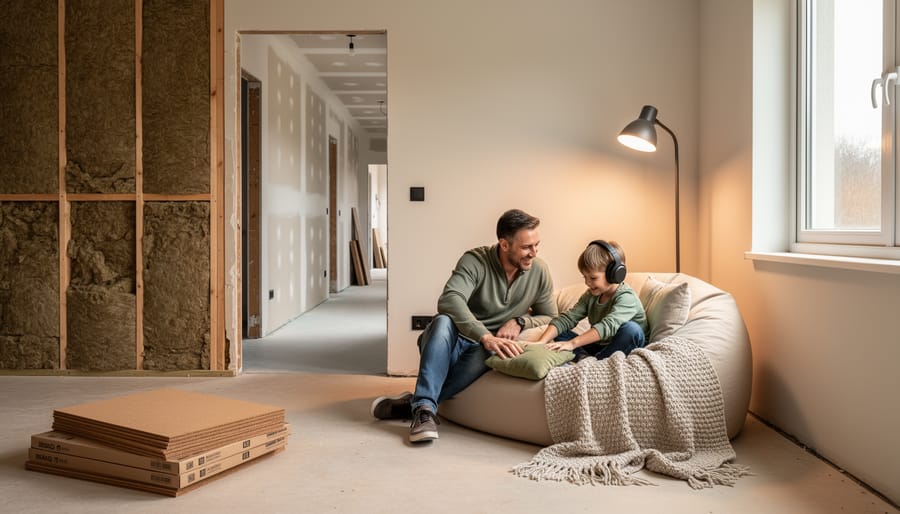
Every child with autism deserves a home environment that supports their unique sensory and developmental needs, yet finding or creating such spaces remains one of the greatest challenges families face. Your fixer-upper property could become the foundation for a family’s transformative journey toward better quality of life.
Homes requiring renovation present unexpected opportunities for families seeking autism-friendly housing. Unlike move-in-ready properties, fixer-uppers allow parents to customize environments from the ground up, addressing specific sensory sensitivities their child experiences. They can eliminate fluorescent lighting that causes distress, install soundproofing in walls before drywall goes up, choose flooring that accommodates sensory seeking behaviors, and create dedicated calming spaces tailored to their child’s exact needs.
The financial equation makes sense for both parties. Families often struggle to afford homes in their desired neighborhoods while simultaneously needing funds for extensive modifications. A fixer-upper at below-market pricing gives them both the location and budget flexibility for customization. Meanwhile, sellers avoid costly pre-sale renovations that might not align with what autism families actually need.
Understanding this market connection transforms how you approach the sale. Rather than viewing your property’s condition as purely problematic, recognize it as potential. The cracked tiles you see represent an opportunity for seamless, sensory-friendly flooring. Those outdated fixtures mean a chance to install adjustable, autism-appropriate lighting systems.
Successfully selling a property in poor condition UK to families seeking autism-friendly housing requires specific knowledge about pricing strategies, connecting with the right buyers, and communicating your home’s unique potential. This guide provides the roadmap for making that meaningful connection happen.
Why Autism-Friendly Housing Is Critical for Child Development
How Home Environments Affect Sensory Processing
For children with autism spectrum disorders, the home environment plays a crucial role in either supporting or overwhelming their sensory processing abilities. Understanding these environmental factors can help families make informed decisions when seeking appropriate housing.
Lighting significantly impacts sensory experiences. Fluorescent lights that flicker or buzz can cause distress and difficulty concentrating. Natural lighting or soft LED bulbs with dimmer controls offer better alternatives, allowing families to adjust brightness based on their child’s needs throughout the day.
Acoustics present another critical consideration. Hard surfaces like tile floors and bare walls create echo and amplify sounds, which can be overwhelming. Open floor plans may increase noise levels, making it difficult for children to filter out background sounds. Homes with carpeting, sound-absorbing materials, and defined spaces help reduce auditory overstimulation.
Textures throughout the home affect daily comfort. Rough flooring, scratchy fabrics, or unexpected surface changes can create sensory challenges. Families often need smooth, consistent flooring transitions and the ability to control which textures their child encounters.
Spatial organization matters deeply for routine and predictability. Clear pathways, designated quiet spaces, and organized layouts help children feel secure and navigate independently. Clutter-free environments with visual boundaries support better focus and reduced anxiety. A fixer-upper offers the unique advantage of customizing these elements from the start, creating spaces specifically designed around a child’s sensory needs rather than adapting existing features.
The Connection Between Housing and Treatment Success
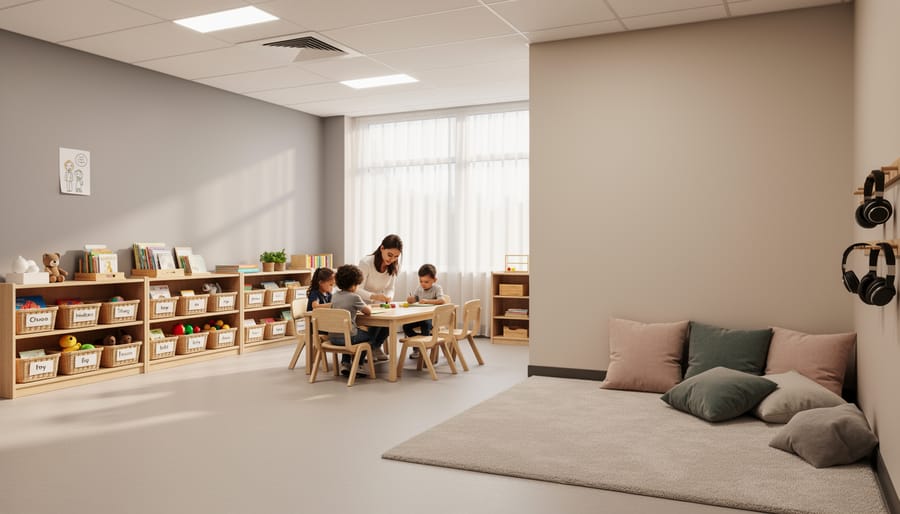
Research shows that where a child lives significantly impacts their development and well-being, particularly for children on the autism spectrum. A thoughtfully designed home environment can reinforce therapeutic strategies practiced during professional sessions, creating consistency that supports learning and emotional regulation.
When sensory-friendly features are built into daily living spaces, families often report reduced meltdowns, improved sleep patterns, and increased independence for their children. Quiet zones for decompression, predictable lighting systems, and organized spaces help children feel safe and supported throughout their day. These environmental modifications work alongside behavioral therapies, occupational therapy, and other interventions to create a comprehensive support system.
The connection between housing and treatment outcomes extends beyond the individual child. Parents and siblings also benefit from a home designed to reduce daily stressors. When families aren’t constantly managing environmental triggers, they have more energy for meaningful interaction, skill-building activities, and quality time together. This holistic approach recognizes that effective treatment encompasses not just clinical interventions, but the entire ecosystem in which a child grows and develops.
Understanding Your Fixer-Upper’s Potential for Autism-Friendly Conversion
Features That Make Properties Ideal for Sensory-Friendly Renovation
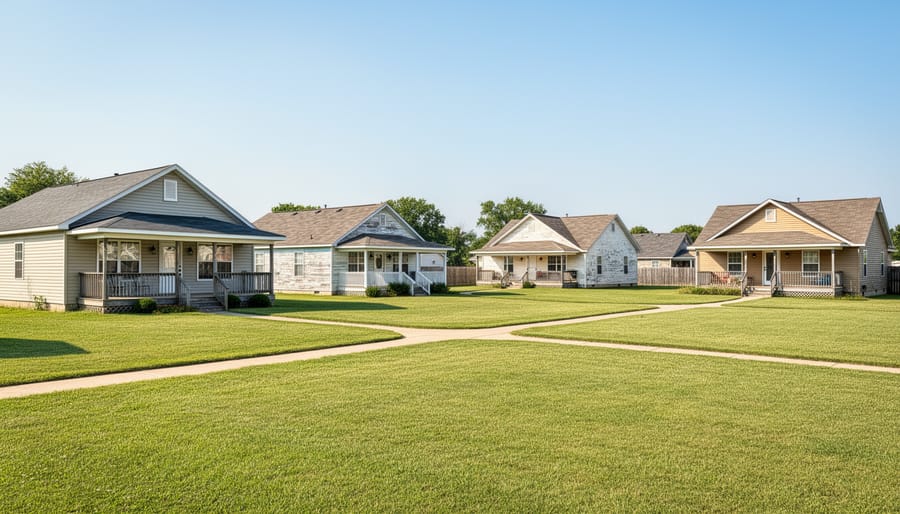
When evaluating a fixer-upper’s potential for autism-friendly conversion, certain structural features make the renovation process more practical and cost-effective. Understanding these elements helps both sellers and buyers identify properties with strong conversion potential.
Open floor plans with clearly defined spaces offer significant advantages for children with autism. Single-story layouts reduce sensory overload from stairs and allow easier supervision, while homes with separate wings or distinct zones enable the creation of calm spaces away from active family areas. Properties with basement access provide valuable opportunities for dedicated sensory rooms or quiet retreats.
Natural light availability is another crucial factor. Homes with south-facing windows or rooms receiving consistent daylight support better sleep-wake cycles and reduce reliance on artificial lighting, which can trigger sensory sensitivities. However, rooms should also accommodate light control through window treatments.
Outdoor space holds tremendous value for sensory-friendly conversions. Even modest yards can accommodate safe play areas, sensory gardens, or quiet outdoor retreats where children can regulate their sensory needs naturally. Fenced yards add essential safety features that families prioritize.
Location characteristics matter significantly. Properties on quiet streets, away from busy intersections or commercial areas, minimize environmental stressors. Neighborhoods with sidewalks and green spaces support daily routines and outdoor activities.
Finally, good bone structure including sound walls, quality insulation, and solid construction facilitates acoustic modifications. These features reduce renovation costs while supporting the quiet, controlled environments that benefit sensory-sensitive individuals.
Common Fixer-Upper Issues That Don’t Matter for This Purpose
If you’re concerned that your home’s condition might hinder the sale, here’s some encouraging news: many of the issues you’re worried about may actually work in your favor when creating autism-friendly housing. Families often need to completely renovate anyway to address sensory needs, so starting with a blank slate can be ideal.
Cosmetic problems like peeling wallpaper, dated paint colors, or scuffed walls aren’t obstacles. In fact, they’re opportunities. Families will likely repaint with low-VOC options in calming colors and apply textures that work for their child’s specific sensory profile. Similarly, worn or outdated flooring that you might see as a liability becomes less important when buyers plan to install seamless, sensory-friendly surfaces anyway.
Old kitchen cabinets, bathroom fixtures, or light fixtures that seem embarrassing to show? These typically get replaced during autism-focused renovations to accommodate safety features, reduce visual clutter, or eliminate harsh lighting. Even outdated electrical systems often need upgrading to support specialized lighting and sound controls.
The key is understanding that families creating autism-friendly spaces prioritize function over fashion. They’re looking at your home’s potential structure, layout, and location rather than its current aesthetic. Your fixer-upper’s imperfections become less significant when the end goal is a completely customized environment designed around a child’s unique needs.
Who’s Looking for Properties to Convert Into Autism-Friendly Housing
Families Planning Long-Term Autism-Friendly Homes
Many families seeking autism-friendly housing are deliberately choosing fixer-uppers as their foundation for creating truly customized living spaces. Rather than compromising on homes that almost meet their needs, these forward-thinking parents recognize that purchasing properties at lower prices allows them to allocate more resources toward specialized renovations.
This approach gives families complete control over sensory-supportive modifications. Parents can design quiet rooms specifically for regulation breaks, install appropriate lighting that reduces overstimulation, and create dedicated spaces for therapeutic interventions. They can also address safety concerns unique to their child’s needs, such as securing windows, reinforcing walls for sensory equipment, or creating enclosed outdoor spaces.
The financial strategy makes practical sense: a below-market fixer-upper purchase preserves budget for meaningful adaptations like soundproofing, non-slip flooring, or specialized organizational systems. Many families work with occupational therapists during the renovation planning process to ensure modifications genuinely support their child’s development and daily functioning.
This long-term investment perspective transforms a house into a therapeutic environment where children can thrive, rather than simply exist. For sellers of fixer-uppers, understanding this motivation helps position their property as an opportunity rather than a compromise.
Developers and Organizations Creating Specialized Housing
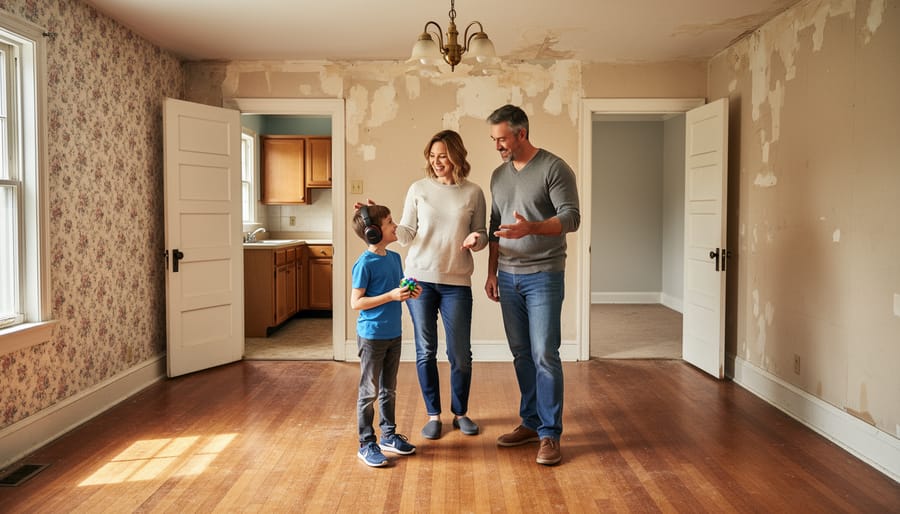
A growing number of specialized developers and nonprofit organizations are actively creating autism-friendly housing communities and group homes designed specifically for individuals on the spectrum. These organizations understand that traditional housing often falls short of meeting the unique sensory and safety needs of people with autism, prompting them to build customized environments from the ground up.
Fixer-uppers present ideal opportunities for these developers because they offer blank canvases for transformation. Rather than paying premium prices for move-in-ready homes that require expensive modifications, these organizations can purchase properties at lower costs and allocate more resources toward essential autism-specific features. They typically look for structurally sound homes with good bones that need cosmetic updates or layout changes.
These buyers often seek properties where they can install sensory-friendly elements like specialized lighting systems, soundproofing materials, and safe outdoor spaces. Group home developers particularly value fixer-uppers in residential neighborhoods that promote community integration while offering enough space for therapeutic activities and staff support areas.
If you’re selling a fixer-upper, connecting with these mission-driven organizations can result in a faster sale while contributing to a meaningful cause. Many developers work with multidisciplinary teams including occupational therapists and behavioral specialists to ensure homes meet specific therapeutic needs, making your property part of a customized treatment approach that improves quality of life.
How to Market Your Fixer-Upper to This Specialized Audience
Highlighting the Right Property Features
When selling a fixer-upper to families seeking autism-friendly housing, shift the focus from cosmetic flaws to foundational strengths. Emphasize the property’s solid structural bones, such as a sound foundation, good roof integrity, and quality framing. These elements matter because they provide a safe canvas for customized sensory modifications that families will need to create.
Highlight location benefits that support children with autism. Proximity to therapy centers, quiet neighborhoods with minimal traffic noise, access to parks for outdoor regulation activities, and nearby schools with special education programs add tremendous value. These factors directly impact a child’s daily routines and developmental progress.
Lot size deserves special attention. A spacious yard offers opportunities for safe outdoor play spaces, sensory gardens, or private areas where children can decompress away from overwhelming stimuli. Generous square footage inside allows for dedicated therapy rooms or quiet zones.
Present the property’s renovation potential as an advantage rather than a drawback. Families seeking autism-friendly housing often prefer blank slates they can transform according to their child’s specific sensory needs, whether that means installing specialized lighting, soundproofing rooms, or creating visual schedules throughout the home. Frame your fixer-upper as the perfect foundation for these meaningful, personalized adaptations.
Connecting With Organizations and Advocacy Groups
Reaching the right buyers for your fixer-upper requires targeted outreach to communities who understand the value of autism-friendly housing. Start by connecting with local autism support organizations, parent groups, and advocacy networks. These groups often maintain communication channels where families share housing needs and resources. Contact organizations like the Autism Society chapters, regional autism resource centers, and parent support groups to let them know about your property.
Consider reaching out to specialized housing developers and organizations that focus on creating sensory-appropriate living spaces. These professionals understand the modifications families need and may work with buyers seeking properties they can customize. Share your listing details with occupational therapists, developmental pediatricians, and special education coordinators who work directly with families navigating housing decisions.
Online communities provide valuable connections too. Join autism parent forums, Facebook groups dedicated to special needs housing, and community bulletin boards where you can share information about your property. When reaching out, emphasize the property’s potential for customization rather than its current condition. Families seeking autism-friendly housing often prioritize layout, outdoor space, and modification possibilities over cosmetic features. Frame your fixer-upper as a blank canvas where families can create an environment tailored to their child’s specific sensory and safety needs.
Pricing Strategies That Reflect Renovation Potential
Pricing a fixer-upper for families seeking autism-friendly housing requires a thoughtful balance. Set your price below market value for comparable move-in ready homes, typically 10-20% less depending on needed repairs. This accounts for renovation costs while highlighting the unique opportunity for customization.
Remember that families pursuing autism-friendly modifications see tremendous value in starting with a blank canvas. Your property offers them the chance to create sensory-appropriate spaces from the ground up, such as installing proper soundproofing, selecting calming paint colors, or designing safe outdoor areas tailored to their child’s specific needs.
Be transparent about necessary repairs in your listing, but emphasize the potential. Price competitively enough to attract buyers quickly, as these families often need housing solutions urgently. Consider getting a pre-inspection to identify major issues and adjust pricing accordingly. This honesty builds trust with buyers who are already navigating the complexities of supporting a child with autism and demonstrates your understanding of their unique journey toward creating a nurturing home environment.
Making the Sale Process Smoother for Mission-Driven Buyers
Being Transparent About Property Conditions
Being upfront about your property’s condition isn’t just ethical—it’s actually strategic when selling to families seeking autism-friendly housing. Many parents specifically want fixer-uppers because they understand their child’s unique sensory needs better than any contractor could. By honestly disclosing existing issues like outdated electrical systems, wall conditions, or flooring problems, you’re giving these families the blank canvas they’re looking for.
Transparency builds trust and can actually speed up your sale. When buyers know exactly what they’re working with, they can immediately start planning modifications like soundproofing, specialized lighting installations, or sensory-safe flooring. This clarity helps them budget accurately for both the purchase and customized renovations their child needs.
Consider providing a detailed inspection report upfront. This approach shows good faith and allows interested families to consult with occupational therapists or autism specialists about the space’s potential. Remember, what you see as defects—bare walls, simple layouts, or older fixtures—may represent perfect starting points for creating supportive, calming environments tailored to a child’s developmental needs.
Working With Buyers Who May Have Unique Timelines
Families seeking autism-friendly housing often work within complex schedules that extend beyond typical real estate timelines. Parents may need to coordinate their home purchase with their child’s treatment plan transitions, therapy team consultations, or school year schedules to minimize disruption during already stressful times.
Organizations and nonprofits that facilitate housing for individuals with autism may require additional time to secure funding, complete grant applications, or navigate approval processes. These buyers genuinely want your property but need patience and understanding as they work through necessary steps.
Consider offering flexible closing dates or rent-back arrangements that accommodate these unique circumstances. Being willing to extend deadlines or work with unconventional financing timelines can make the difference between completing a sale and losing committed buyers. Document all agreements clearly and work closely with a real estate attorney experienced in creative closing arrangements.
Remember that these families are making decisions with their child’s wellbeing as the top priority. Your flexibility demonstrates respect for their journey and helps create housing opportunities that truly serve children with neurodevelopmental needs.
Selling your fixer-upper can be more than just a real estate transaction—it represents an opportunity to make a meaningful difference in the lives of families navigating the challenges of raising children with autism spectrum disorder. The housing shortage facing these families is real and pressing. Many parents struggle to find affordable homes that can be adapted to meet their children’s sensory and safety needs, often competing in markets that favor move-in-ready properties with premium price tags.
By positioning your fixer-upper as a future autism-friendly home, you create a bridge between your practical need to sell and a family’s urgent need to find appropriate housing. Properties requiring renovation often come with lower price points, making them accessible to families who may have significant medical and therapy expenses. The very features that might seem like drawbacks—outdated layouts, rooms needing work, or spaces requiring modification—become opportunities for customization that can transform a house into a therapeutic environment supporting a child’s development.
Your willingness to connect with this specialized buyer market demonstrates understanding and compassion for families who face unique housing challenges. Whether through targeted marketing, connecting with autism advocacy organizations, or working with real estate professionals experienced in special needs housing, you’re contributing to a solution that addresses both immediate shelter needs and long-term developmental support.
As you move forward with selling your property, remember that your fixer-upper holds untapped potential. It may become the safe, sensory-appropriate haven where a child learns to self-regulate, where families find peace, and where meaningful progress happens daily. This perspective transforms your sale from a simple transaction into an empowering choice that serves both your goals and a greater community need.