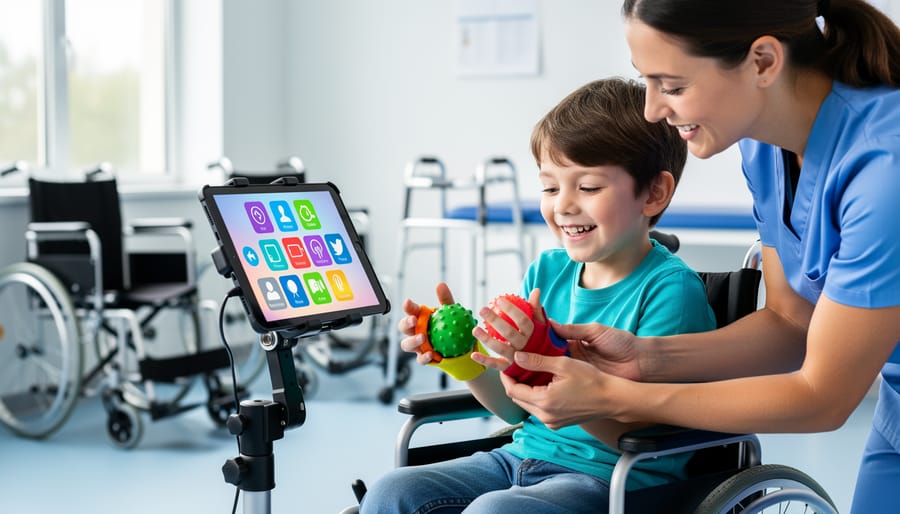
Assistive technology transforms rehabilitation outcomes by giving children and adults with disabilities the tools to communicate, learn, move, and participate more fully in daily life. From simple adapted utensils and communication boards to sophisticated speech-generating devices and mobility aids, these technologies bridge the gap between a person’s current abilities and the functional independence they’re working to achieve. The right assistive tool doesn’t just compensate for a challenge. It opens pathways for skill development, social connection, and meaningful progress during rehabilitation.
For parents navigating a new diagnosis or educators supporting diverse learners, the sheer range of available technology can feel overwhelming. Wheelchairs, hearing aids, text-to-speech software, adaptive keyboards, environmental controls, and countless specialized devices all fall under the assistive technology umbrella. Understanding which tools match your child’s specific needs requires collaboration among therapists, special educators, and healthcare providers who can assess individual strengths, challenges, and goals. This multidisciplinary approach ensures technology selections support both current functioning and long-term rehabilitation objectives.
The field continues to evolve rapidly, with growing recognition of how personalized technology solutions improve quality of life across all ages and disability types. Major gatherings like the 11th World Disability and Rehabilitation Conference in Bali, Indonesia this August 10-11, 2026, and the Canadian Disability Tech Summit in Toronto on November 18, 2026, highlight the expanding research, innovation, and clinical expertise shaping modern rehabilitation practice. Whether you’re seeking your first communication device for a nonverbal child or exploring mobility options to support physical therapy goals, understanding the categories of assistive technology, the assessment process, and practical access routes will help you make informed decisions that genuinely enhance your child’s development and independence.
Understanding Assistive Technology in Neurodevelopmental Rehabilitation
Assistive technology represents a transformative shift in how we support children with neurodevelopmental disorders. Rather than focusing solely on fixing deficits, these tools create pathways for children to participate fully in learning, communication, and daily activities. For parents navigating autism, ADHD, intellectual disability, or other neurodevelopmental challenges, understanding what assistive technology truly encompasses opens doors to possibilities many didn’t realize existed.
At its core, assistive technology includes any device, software, or equipment that helps children perform tasks that might otherwise be difficult or impossible. This broad definition spans simple tools like pencil grips and weighted blankets to sophisticated speech-generating devices and educational apps. The critical point isn’t the complexity of the technology but whether it genuinely supports a child’s specific needs.
- Assistive Technology
- Any item, piece of equipment, software, or system that helps children with disabilities perform tasks, participate in activities, or access learning opportunities they couldn’t manage independently.
- Adaptive Devices
- Physical tools or equipment modified or designed to accommodate a child’s unique physical, sensory, or cognitive needs, such as specialized keyboards, adaptive utensils, or modified seating.
- Rehabilitation Technology
- Devices and systems specifically designed to restore or improve functional abilities through therapeutic intervention, including motor development tools and sensory integration equipment.
- Neurodevelopmental Support Tools
- Technology tailored to address challenges related to brain development and function, supporting communication, executive function, social skills, and emotional regulation in children with conditions like autism, ADHD, and intellectual disability.
The impact of assistive technology extends across multiple domains of a child’s life. Communication tools give voice to children who struggle with speech, allowing them to express needs, preferences, and ideas. Learning technologies break down complex tasks into manageable steps, helping children with attention or processing challenges stay organized and engaged. Motor development devices provide the physical support children need to participate in activities alongside peers. Sensory tools help children regulate their responses to overwhelming environments, reducing anxiety and improving focus.
What makes current assistive technology particularly exciting is the move away from standardized solutions. Twenty years ago, a child might receive a generic communication board or the same learning software as everyone else. Today’s approach recognizes that every child’s neurodevelopmental profile is unique. A child with autism who struggles with verbal communication might thrive with a tablet-based AAC app featuring their favorite interests, while another child with similar challenges might prefer a low-tech picture exchange system. Children with ADHD don’t all need the same organizational tools; some benefit from visual timers, others from task management apps that gamify responsibilities.
This customization matters because children engage more deeply with technology that matches their learning style, interests, and developmental level. The shift reflects a broader understanding that disability isn’t one-dimensional and neither should the solutions be.
Types of Assistive Technology for Different Neurodevelopmental Needs
Communication and Social Interaction Tools
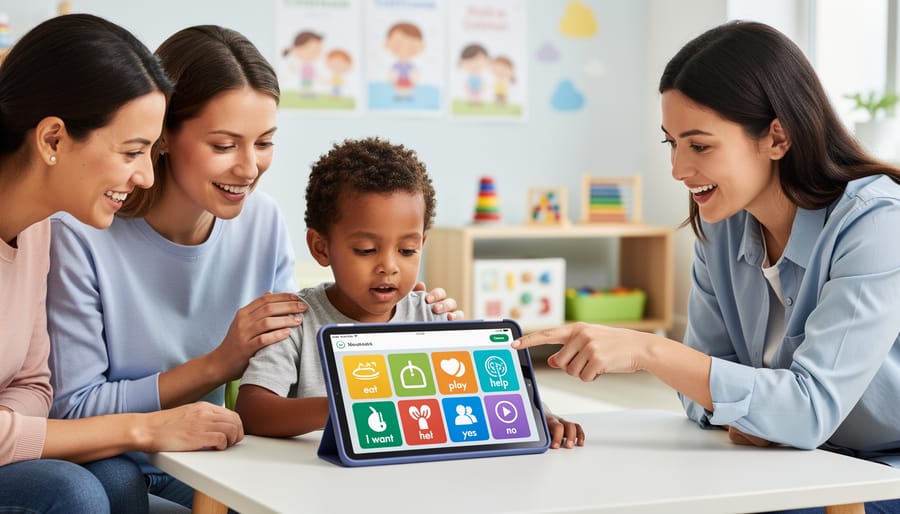
Children with autism and communication delays often struggle to express their needs, understand social cues, and connect with peers. Communication and social interaction tools bridge these gaps by giving children alternative ways to speak, learn conversation patterns, and practice social scenarios in structured, supportive environments.
Speech-generating devices (SGDs) and augmentative and alternative communication (AAC) apps are foundational for children who are nonverbal or have limited verbal abilities. These tools range from dedicated hardware devices with physical buttons to tablet-based apps where children tap pictures or words to generate spoken messages. High-tech AAC systems like Proloquo2Go or TouchChat adapt to individual needs, growing from simple picture exchanges to complex sentence building as the child’s skills develop. For children just beginning their language development journey, low-tech options like picture communication boards provide a tangible starting point before transitioning to digital systems.
- Picture-based AAC apps that allow children to select images representing their needs and generate corresponding speech
- Text-to-speech devices for children with stronger literacy skills who can type their thoughts but struggle with verbal expression
- Social story applications that walk children through expected behaviors in specific situations like doctor visits or playdates
- Video modeling software showing peers demonstrating appropriate social interactions that children can watch and imitate
Social skills training software addresses the specific autism support needs related to understanding emotions, reading facial expressions, and navigating conversations. Programs like Social Express or Autism iHelp present interactive lessons where children identify feelings, practice turn-taking, and learn what to do in common social situations. These tools break down complex social expectations into manageable steps, providing immediate feedback in a low-pressure environment where mistakes are learning opportunities rather than social failures.
Learning and Cognitive Support Technologies
Children with ADHD, intellectual disability, and learning differences often struggle with organization, memory, time management, and processing information. Learning and cognitive support technologies bridge these gaps by providing structured frameworks that work with rather than against how these children’s brains function.
Digital organizational tools transform abstract concepts like time and task sequences into concrete visuals. Calendar apps with color-coding and alerts help children track assignments and activities. Task management software breaks overwhelming projects into manageable steps with visual progress indicators. For children with ADHD who find traditional planning methods frustrating, these tools externalize executive function skills they’re still developing.
Memory aids include note-taking apps with audio recording capabilities, allowing children to capture information they might otherwise lose. Text-to-speech software reads written material aloud, supporting children with reading difficulties or processing delays. Speech-to-text applications help those who struggle with handwriting express their ideas fluently. These accommodations level the playing field without lowering academic expectations.
Educational apps designed for neurodevelopmental needs use game-like elements to maintain attention while teaching core skills. Math programs adapt difficulty in real-time based on performance. Reading apps highlight words as they’re spoken, connecting sound to text. Attention-training software builds focus gradually through short, engaging exercises.
Parents should also consider that increased screen time requires balance and monitoring, especially given ADHD online risks. Working with occupational therapists and educators ensures technology choices align with specific learning goals while maintaining healthy digital boundaries. The right cognitive support tools don’t replace instruction, they remove barriers so children can demonstrate what they truly know.
Motor and Physical Rehabilitation Devices
Children with motor coordination challenges often benefit from physical tools that support movement development and build strength. Adaptive seating systems, specialized utensils, and modified toys help children participate in daily activities while working on fine and gross motor skills. Weighted vests and compression garments provide proprioceptive input that improves body awareness and coordination.
Movement-tracking technology has transformed physical therapy for neurodevelopmental disorders. Interactive gaming systems that capture body movement turn exercises into engaging activities, making repetition less tedious for children. Balance boards with visual feedback help therapists measure progress objectively while keeping sessions playful. Tablets with motion sensors guide children through prescribed movements, allowing practice at home between therapy appointments.
Sensory tools address the overlap between motor challenges and sensory processing needs. Therapy swings, climbing equipment, and tactile surfaces give children safe ways to seek movement input. Grip strengtheners, therapy putty, and fine motor manipulatives build hand strength needed for writing and self-care tasks.
Physical therapists typically assess which devices match each child’s developmental stage and specific motor difficulties. The right equipment reduces frustration, prevents compensatory movement patterns, and helps children gain independence in school and home environments.
Sensory Processing and Self-Regulation Tools
Children with neurodevelopmental disorders often experience sensory processing challenges that affect their ability to regulate emotions and respond to their environment. Assistive technology for sensory and self-regulation needs has evolved beyond simple fidget tools to sophisticated devices that help children recognize and manage their internal states.
Weighted blankets and lap pads provide deep pressure input that can calm an overwhelmed nervous system. While weighted vests evidence shows mixed results for continuous wear during activities, many families find targeted use of weighted items during transitions or rest periods helpful for their children.
Noise-canceling headphones and earplugs filter auditory input in overwhelming environments like classrooms or public spaces. Visual timers give children concrete, non-verbal cues about time remaining before transitions, reducing uncertainty that triggers meltdowns. Timer apps with customizable visuals work well for children who respond better to digital interfaces than analog clocks.
Biofeedback devices represent an emerging category. Wearable sensors track heart rate or skin temperature, teaching children to notice their physiological stress signals before they escalate. Some apps pair this data with breathing exercises or other anxiety coping strategies, building awareness that supports long-term self-regulation skills rather than just managing immediate distress.
The Multidisciplinary Approach to Selecting Assistive Technology
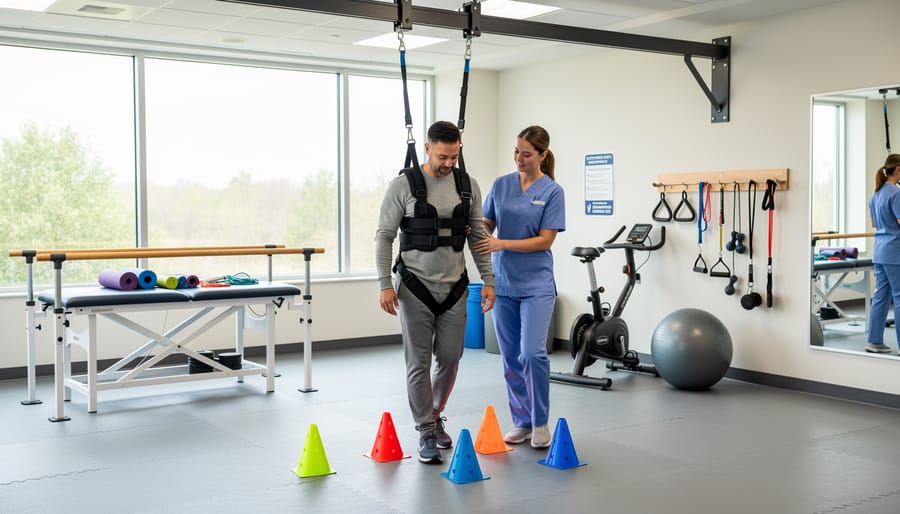
Selecting appropriate assistive technology isn’t a solo decision made by one professional or parent. Instead, it requires a coordinated effort among multiple specialists who each bring unique expertise to understanding a child’s complete profile.
When families first pursue assistive technology evaluation, they typically work with a team that includes occupational therapists who assess daily living skills and sensory needs, speech-language pathologists who evaluate communication abilities, educators who understand classroom challenges, and psychologists or developmental specialists who consider cognitive and emotional factors. Parents serve as essential team members, sharing insights about what works at home and what frustrates their child in real-world situations.
This collaborative model mirrors the philosophy behind better care systems for children with neurodevelopmental disorders. Rather than applying a standard solution, teams analyze how each child’s unique combination of strengths and challenges influences which technology will genuinely help versus creating new obstacles.
Assessment drives every recommendation. The occupational therapist might evaluate whether a child has the fine motor control to use a particular tablet interface or whether sensory sensitivities make certain devices overwhelming. The speech pathologist determines if a communication app matches the child’s symbol recognition level or if simpler picture exchange might work better initially. The educator identifies which classroom tasks cause the most difficulty and which technologies could realistically integrate into the learning environment.
Parents contribute critical information about their child’s preferences, attention span, and how they respond to different types of input. A child who thrives on visual structure might excel with schedule apps and visual timers, while one who gets easily frustrated needs technology with simple, forgiving interfaces.
This assessment phase typically involves trial periods where children test devices in their actual environments. A tablet app that works perfectly in a quiet therapy room might fail in a busy classroom. A communication device that seemed promising might prove too heavy for a child to carry between activities.
The team reviews these real-world results together, adjusting recommendations based on what actually improves the child’s functioning versus what looks good on paper. This iterative process respects that children aren’t static; their needs evolve as they grow, develop new skills, and face different challenges.
The customized treatment philosophy recognizes that effective assistive technology must fit the child, not force the child to adapt to predetermined tools. Teams balance evidence-based options with individual circumstances, always prioritizing technologies that enhance rather than complicate the child’s daily life.
Real-World Impact: How Assistive Technology Improves Quality of Life
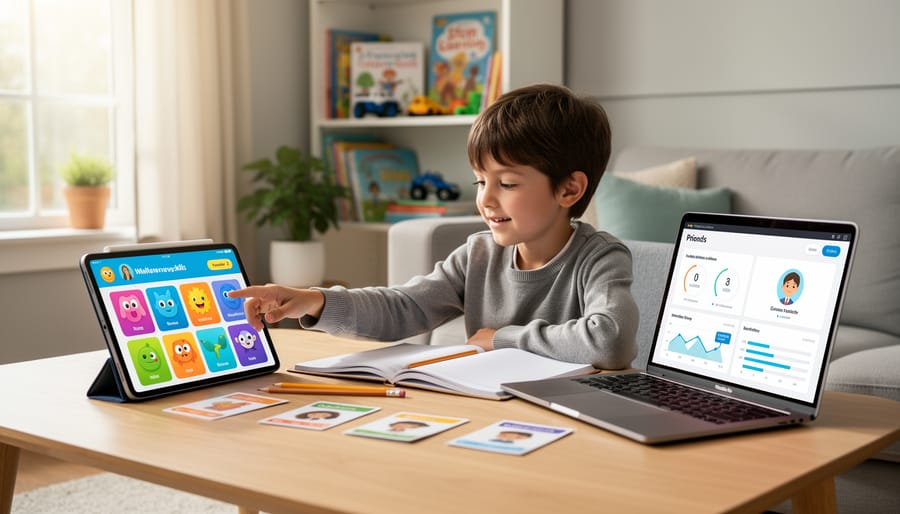
When families find the right assistive technology match for their child’s neurodevelopmental needs, the changes often ripple far beyond the immediate task the device or app addresses. Parents frequently report that tools enabling better communication transform household dynamics entirely, reducing frustration-driven behaviors and opening pathways for connection that seemed impossible weeks earlier. A child who gains the ability to express basic needs through a speech-generating device experiences fewer meltdowns, while family members gain insight into that child’s thoughts, preferences, and personality.
Independence gains matter profoundly to both children and their families. Simple adaptive equipment, modified utensils, dressing aids, or accessible bathroom fixtures, allows children to participate in self-care routines that build dignity and confidence. The shift from total dependence to “I can do it myself” in even small daily activities creates momentum that extends into other developmental areas. Parents describe reclaiming time previously consumed by constant physical assistance, time they can redirect toward playing with their child or managing other household needs.
Learning outcomes improve measurably when children access technology matching their cognitive profiles. Organizational apps help children with ADHD track assignments and manage time, reducing school-related anxiety and improving grades. Reading software that adjusts pacing and provides multisensory input helps children with intellectual disability engage with age-appropriate content they couldn’t access through traditional methods. Teachers consistently note that when technology removes specific barriers, whether processing speed, memory limitations, or motor control challenges, children’s actual knowledge and capability become visible for the first time.
Social participation expands when assistive technology reduces the gap between a child’s abilities and their peers’ expectations. Children using mobility devices can join playground activities rather than watching from the sidelines. Those with social skills apps gain concrete strategies for interpreting facial expressions and navigating conversations, leading to genuine friendships. The isolation many families experience diminishes as children participate more fully in community activities, school events, and family gatherings.
Family stress reduction represents perhaps the most undervalued outcome. When daily struggles around communication, behavior, or basic care decrease, parents report better sleep, improved relationships with partners, and renewed energy for the long-term work of supporting their child’s development. Siblings benefit too, receiving more balanced attention and experiencing less household tension. The cumulative effect creates a more stable foundation for the entire family’s wellbeing.
Accessing and Funding Assistive Technology
Obtaining assistive technology for your child starts with a thorough assessment. Request an evaluation through your child’s school district, which is required to assess students who may need assistive technology under the Individuals with Disabilities Education Act (IDEA). Private assessments through occupational therapists, speech-language pathologists, or assistive technology specialists provide another pathway, particularly if you want input beyond what schools offer.
Funding presents the biggest hurdle for many families, but multiple sources exist. Many private insurance plans cover assistive technology when it’s deemed medically necessary. Contact your insurer before purchasing to understand coverage limits and prior authorization requirements. Medicaid and Children’s Health Insurance Program (CHIP) often provide more comprehensive coverage than private insurance, including devices and training.
School systems must provide assistive technology at no cost when it’s written into a child’s Individualized Education Program (IEP) or 504 plan. This covers tools needed for educational access, from communication devices to specialized software. If your child needs similar technology at home, advocate for inclusion in the IEP so the device can travel between settings.
Government programs offer additional support. State vocational rehabilitation agencies serve older children transitioning to adulthood. The Assistive Technology Act funds state programs that provide device loans, demonstrations, and low-interest financing. Contact your state’s assistive technology program to learn about local resources and equipment lending libraries where families can trial devices before purchasing.
Nonprofit organizations and manufacturer programs sometimes provide grants or discounted equipment. Research foundations specific to your child’s diagnosis often maintain lists of funding opportunities.
Effective advocacy makes the difference. Document how specific technology addresses your child’s functional limitations. Bring assessment reports to IEP meetings. If a school denies a request, ask for the denial in writing and understand your appeal rights. Frame requests around educational access rather than convenience. When speaking with insurance companies, emphasize medical necessity and have your child’s healthcare team provide supporting documentation. Persistence matters, initial denials don’t mean final answers.
The Growing Field: Upcoming Opportunities and Resources in 2026
The assistive technology field continues to expand rapidly, offering families and professionals more resources than ever before. As innovations emerge and evidence-based practices evolve, staying connected with current developments helps parents and healthcare teams make informed decisions about the best tools for each child.
Conferences and professional gatherings provide valuable opportunities to see new technologies in action, learn from experts, and connect with other families navigating similar challenges. These events showcase the latest assistive devices, evidence-based applications, and practical implementation strategies that can directly benefit children with neurodevelopmental disorders.
Several significant conferences in 2026 and early 2027 bring together researchers, clinicians, educators, and technology developers who specialize in disability and rehabilitation:
| Event | Date | Location | Focus |
|---|---|---|---|
| 11th World Disability and Rehabilitation Conference | August 10-11, 2026 | Bali, Indonesia | International research and rehabilitation practices |
| Canadian Disability Tech Summit | November 18, 2026 | Toronto, ON | Technology innovations and accessibility |
| ATIA 2027 | January 22-24, 2027 | TBA | Assistive technology applications |
Beyond major conferences, many regional workshops, webinars, and local support groups now focus specifically on assistive technology for children. Hospital rehabilitation departments, school districts, and autism resource centers frequently host smaller educational sessions where families can try devices hands-on and ask questions in a supportive environment.
Online resources have also grown substantially. Professional organizations, university research centers, and parent advocacy groups maintain updated databases of assistive technology options, including user reviews and implementation guides. These platforms help families research options before consultations with their healthcare teams, making conversations more productive and focused on their child’s specific needs.
What to Consider When Choosing Assistive Technology
Choosing the right assistive technology for your child requires careful consideration beyond simply picking the newest or most popular option. The most effective technology is the one that fits your child’s unique profile, your family’s daily reality, and integrates smoothly with their existing support system.
Start with your child’s specific needs and preferences. A communication device that works brilliantly for one child with autism might overwhelm another who processes information differently. Observe what naturally engages your child. Do they respond better to visual or auditory input? Do they prefer tactile interaction or touch screens? Technology that aligns with their learning style and sensory preferences will see far more consistent use than tools that feel foreign or uncomfortable, no matter how sophisticated.
Ease of use matters for everyone involved. Your child needs to operate the technology independently or with minimal prompting. You and other caregivers need to troubleshoot basic issues without requiring technical expertise. Teachers and therapists should be able to incorporate the tool into their sessions without extensive setup. If the technology creates more frustration than it solves, it’ll end up abandoned in a drawer.
Consider the training commitment required. Some assistive technology demands significant upfront learning for both children and adults. Ask whether training is included, how long it typically takes, and what ongoing support is available. Technology that requires a two-day workshop might not be practical if your child’s teacher changes mid-year or if grandparents provide regular care.
Compatibility with existing therapies is crucial. The technology should enhance what occupational therapists, speech pathologists, and educators are already doing, not create conflicting approaches. Discuss options with your child’s entire team before purchasing to ensure everyone can work with the tool effectively.
Think about growth potential. Children develop rapidly, and their needs shift. Technology that adapts through multiple settings, difficulty levels, or expanded functions will serve your family longer than rigid, single-purpose devices. However, don’t overpay for advanced features your child won’t use for years.
Finally, ask about the evidence base. What research supports this technology’s effectiveness for children with similar neurodevelopmental profiles? Reputable providers should reference studies, clinical experience, or outcome data beyond testimonials. Your child’s therapists can help evaluate whether claims match their professional experience.
The right technology becomes a seamless part of your child’s day, not an additional burden to manage.
Working with Your Child’s Healthcare Team
Your child’s healthcare team can help you navigate assistive technology options, but you need to be an active partner in these decisions. The professionals working with your child bring expertise, but you bring essential knowledge about your child’s daily life, preferences, and how they actually use tools at home and school.
Start conversations with your team by describing specific challenges your child faces. Instead of saying “communication is hard,” explain that your child gets frustrated when trying to request preferred activities or that they can’t keep up with classroom instructions. Concrete examples help therapists and specialists recommend technology that addresses real needs rather than theoretical solutions.
Ask direct questions about any recommended assistive technology. How long does it typically take children to learn this tool? What training will my child need, and who provides it? Will this device work across different settings like home, school, and therapy? What happens if the technology doesn’t work as expected, and what’s the backup plan? Understanding the implementation process helps you set realistic expectations.
Track what’s working and what isn’t. Keep notes on when your child uses the technology successfully, when they avoid it, and any unexpected problems. Maybe the communication app works beautifully at home but your child refuses it at school because peers notice it. Perhaps the organizational tool helps with homework but the interface confuses them during busy mornings. These details matter, and your observations give the team crucial information for adjustments.
Expect ongoing changes as your child grows. A technology solution that works perfectly at age six might become limiting at ten as your child’s cognitive abilities expand and social contexts shift. Regular check-ins with therapists ensure the assistive technology evolves with your child’s development. Some families schedule formal reviews every six months, while others touch base when they notice their child outgrowing current tools.
Don’t hesitate to advocate when something isn’t working. Your child’s team wants solutions that actually help, and honest feedback drives better outcomes.
Assistive technology represents a powerful component within the comprehensive, customized treatment plans that make a real difference for children with neurodevelopmental disorders. These tools don’t replace the vital work of therapists, educators, and families, they enhance it, creating new pathways for communication, learning, and independence that might otherwise remain closed.
If you’re a parent or educator wondering where to start, the answer is simple: reach out to your child’s multidisciplinary team. Occupational therapists, speech pathologists, psychologists, and special educators can guide you through the assessment process and help identify technologies that genuinely match your child’s unique needs and strengths. The right assistive technology isn’t about the newest device or the most features, it’s about what helps your child thrive in their daily life.
The landscape of available resources continues to expand, with professionals sharing innovations at conferences and new tools becoming more accessible to families. While the journey with neurodevelopmental disorders comes with challenges, assistive technology offers concrete ways to support your child’s growth and open doors to possibilities you might not have imagined. You’re not alone in navigating these decisions, and with the right team and tools, you can help your child build the independence and skills they need to flourish.